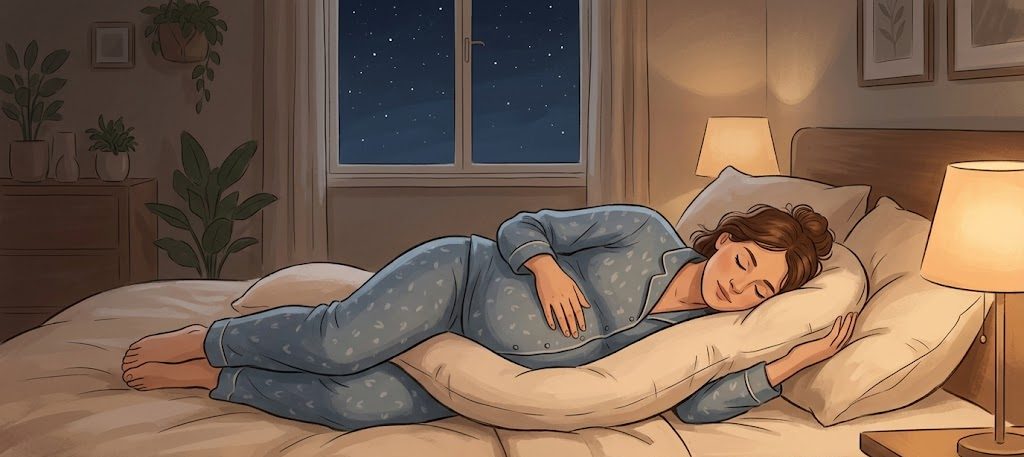
How Pregnancy Changes Sleep
Sleep disruption during pregnancy is extremely common. Research suggests that up to 78% of pregnant women experience sleep difficulties, with problems increasing as pregnancy progresses.
These changes are driven by hormonal shifts, physical discomfort, and the demands of a growing baby. Understanding what to expect in each trimester can help you manage these changes and know when to seek help.
First Trimester (Weeks 1-12)
Common Sleep Changes
- Increased sleepiness and fatigue: Rising progesterone levels have a sedating effect, often causing overwhelming drowsiness during the day
- Frequent urination: Even in early pregnancy, increased blood volume and hormonal changes increase urine production
- Nausea: "Morning sickness" can occur at any time, including at night
- Breast tenderness: May make finding a comfortable position difficult
What Helps
- Allow yourself to nap when possible — the fatigue is physiological, not laziness
- Stay hydrated during the day but reduce fluid intake 2-3 hours before bed
- Keep crackers by the bed for nighttime nausea
- Go to bed earlier than usual to accommodate increased sleep need
Second Trimester (Weeks 13-27)
Common Sleep Changes
- Improved energy: Progesterone levels stabilize, and many women feel a return of energy
- Leg cramps: Nocturnal calf cramps become more common
- Heartburn: The growing uterus pushes against the stomach
- Nasal congestion: Increased blood volume causes swelling of nasal passages
- Vivid dreams: Hormonal changes and frequent awakenings increase dream recall
What Helps
- Elevate your head with an extra pillow to reduce heartburn
- Stretch your calves before bed to reduce nocturnal cramps
- Ensure adequate magnesium and calcium intake (discuss with your provider)
- A saline nasal spray can help with congestion
- Begin transitioning to side sleeping if you haven't already
Third Trimester (Weeks 28-40)
Common Sleep Changes
- Difficulty finding a comfortable position: The baby's size limits sleep positions
- Frequent urination: Returns with intensity as the baby presses on the bladder
- Back and hip pain: The weight of the baby and loosened ligaments cause musculoskeletal discomfort
- Shortness of breath: The uterus pushes against the diaphragm
- Restless legs syndrome (RLS): Affects up to 30% of pregnant women, particularly in the third trimester
- Contractions and fetal movement: Can wake you throughout the night
What Helps
- Use a pregnancy pillow (full-body or wedge) to support your belly, back, and hips
- Sleep on your left side — this optimizes blood flow to the baby and kidneys
- Place a pillow between your knees to align your hips and reduce back pain
- Gentle stretching or prenatal yoga before bed can ease musculoskeletal discomfort
- For restless legs, discuss iron levels with your provider — iron deficiency worsens RLS
Sleep Position During Pregnancy
Why Side Sleeping Matters
Research suggests that sleeping on your back in the third trimester may be associated with reduced blood flow to the baby due to the weight of the uterus compressing the inferior vena cava (a major vein returning blood to the heart).
Recommended: Left side sleeping is generally considered optimal because it maximizes blood flow. However, either side is significantly better than back sleeping in late pregnancy.
Practical tips:
- Don't panic if you wake up on your back — the risk is associated with prolonged back sleeping, not brief moments
- A pillow behind your back can prevent rolling onto your back during sleep
- Some women find sleeping in a slightly reclined position comfortable in late pregnancy
Sleep Disorders During Pregnancy
Insomnia
Insomnia affects approximately 40-60% of pregnant women. It is most common in the third trimester and often driven by physical discomfort, anxiety about labor and parenthood, and hormonal changes.
Approach:
- Behavioral strategies (consistent schedule, sleep hygiene, relaxation techniques) are the first-line treatment
- CBT-I is safe and effective during pregnancy
- Discuss any sleep medication use with your OB provider — many common sleep aids are not recommended during pregnancy
Obstructive Sleep Apnea
Pregnancy increases the risk of sleep apnea due to weight gain, nasal congestion, and fluid shifts. Untreated sleep apnea during pregnancy is associated with:
- Gestational hypertension and preeclampsia
- Gestational diabetes
- Increased risk of cesarean delivery
- Low birth weight
If you snore loudly, gasp during sleep, or have excessive daytime sleepiness, discuss screening with your provider.
Restless Legs Syndrome
RLS symptoms typically worsen during pregnancy and resolve after delivery. Iron deficiency is a common contributor. See Understanding Restless Legs Syndrome for more on the condition.
Approach:
- Check ferritin levels (your provider may test this)
- Iron supplementation if levels are low
- Gentle leg stretching and massage before bed
- Avoid caffeine
- Most RLS medications are not recommended during pregnancy — discuss options with your provider
When to Contact Your Provider
Speak with your OB or midwife if you experience:
- Loud snoring or witnessed breathing pauses during sleep
- Excessive daytime sleepiness that interferes with daily functioning
- Severe restless legs symptoms that prevent sleep
- Persistent insomnia that does not improve with behavioral strategies
- Significant mood changes, anxiety, or depression affecting sleep
Key Takeaways
- Sleep disruption during pregnancy is normal but manageable
- Side sleeping (especially left side) is recommended in the third trimester
- Pregnancy pillows and positional support make a significant difference
- Insomnia, sleep apnea, and restless legs are common pregnancy sleep disorders
- Behavioral strategies are the safest first-line treatment for pregnancy insomnia
- Snoring, gasping, and excessive sleepiness during pregnancy warrant medical evaluation
- Most sleep difficulties improve after delivery